
How to Interview a Software Expert Witness for Intellectual Property Litigation
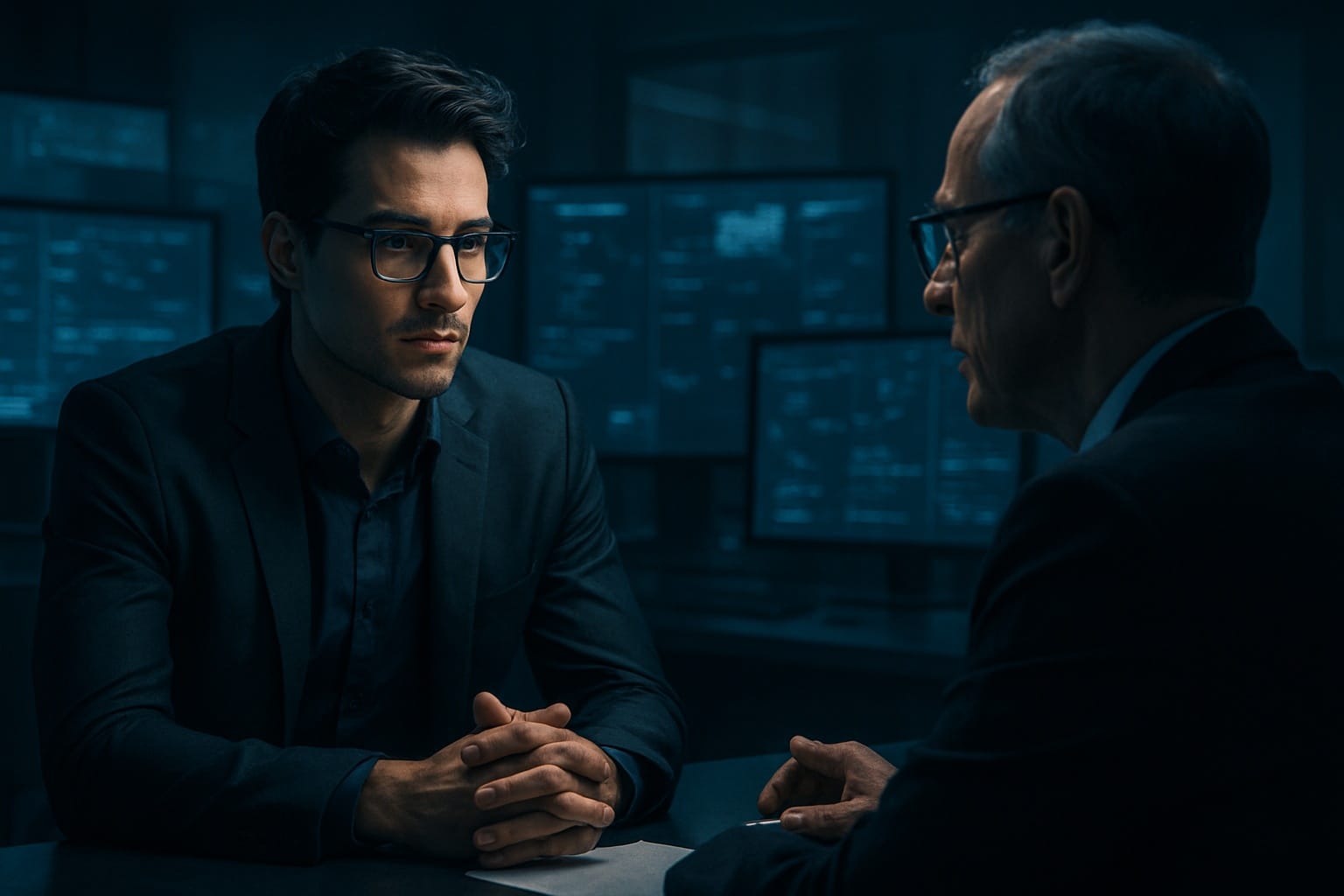
Selecting the right software expert witness can determine the outcome of intellectual property litigation. Patent disputes, trade secret misappropriation cases, and software breach of contract matters increasingly turn on technical details that judges and juries struggle to evaluate without qualified expert testimony. The interview process represents the critical juncture where attorneys assess whether a potential expert possesses the technical depth, communication skills, and litigation experience necessary to withstand scrutiny and educate the fact-finder effectively.
Understanding the Role of a Software Expert Witness
A software expert witness serves multiple functions in intellectual property litigation. The expert analyzes technical evidence, provides opinions on industry standards and practices, explains complex concepts in accessible terms, and withstands cross-examination. Unlike consultants who work behind the scenes, testifying experts face deposition and trial testimony that opposing counsel will aggressively challenge.
The Federal Rules of Evidence Rule 702 establishes the foundation for expert testimony, requiring that experts possess specialized knowledge and apply reliable principles and methods to sufficient facts or data. The Supreme Court’s decisions in Daubert v. Merrell Dow Pharmaceuticals and subsequent cases created a gatekeeping function for trial courts to assess expert reliability. Attorneys must evaluate potential experts with these admissibility standards in mind from the initial interview.
Preparing for the Interview
Before scheduling interviews, attorneys should develop a comprehensive understanding of the technical issues in their case. Review all relevant source code, technical documentation, patent claims, and trade secret specifications. Identify the specific questions that require expert analysis. This preparation enables more productive interviews and helps assess whether candidates understand the nuances of the case.
Prepare a structured interview outline covering technical qualifications, litigation experience, availability, and case-specific analysis. Consider including other team members in the interview process, particularly technical staff who can evaluate the depth of the expert’s knowledge in relevant programming languages, software architectures, or industry domains.
Evaluating Technical Qualifications
The software expert witness must possess credentials and experience directly relevant to the technical issues in dispute. Begin by examining the candidate’s educational background, professional experience, and specific expertise in the technologies at issue. An expert qualified to opine on database architecture may lack the necessary background in machine learning algorithms or mobile application security.
Request detailed information about the expert’s hands-on experience with the specific technologies involved in the litigation. An expert who managed software projects differs significantly from one who wrote production code. Patent litigation may require deep knowledge of the prior art landscape and patent prosecution practices. Trade secret cases demand expertise in identifying protectable information and evaluating misappropriation. Software breach of contract disputes often hinge on industry standards for software development practices and deliverable quality.
Ask candidates to describe their publication record and speaking engagements. These activities demonstrate thought leadership and provide evidence of recognition within the relevant technical community. The American Bar Association Section of Intellectual Property Law emphasizes the importance of evaluating an expert’s standing within their field as part of the qualification assessment.
Assessing Litigation Experience
Inquire about the number and types of cases in which the candidate has served as an expert. Request information about retention as a consulting expert versus a testifying expert, as these roles involve different skill sets and pressures.
Ask for specific examples of depositions and trials in which the expert testified. Inquire about cases where the expert’s testimony proved decisive and instances where opposing counsel successfully challenged their opinions. An expert who cannot discuss setbacks or areas where their analysis evolved may lack the self-awareness necessary for effective testimony.
Request copies of expert reports from previous cases, subject to appropriate confidentiality restrictions. These documents reveal the expert’s analytical approach, writing clarity, and ability to support opinions with technical evidence. They also demonstrate whether the expert understands the distinction between technical analysis and legal conclusions, a boundary that software expert witnesses sometimes blur.
Discuss the expert’s familiarity with the Daubert standard and their experience surviving Daubert challenges. Ask how they ensure their methodologies meet reliability standards and how they document their analytical process. The expert should articulate a clear understanding of their gatekeeping function and demonstrate methodologies that courts have accepted.
Evaluating Communication Skills
During the interview, assess whether the candidate can translate technical jargon into plain language without oversimplifying or distorting the underlying concepts. Present a technical aspect of the case and ask the candidate to explain it as they would to a jury. Observe whether they use analogies effectively, employ visual aids conceptually, and gauge their audience’s comprehension. Strong experts adjust their communication style based on feedback and avoid condescension when explaining fundamental concepts.
Evaluate the expert’s demeanor and presence. Confidence matters, but arrogance creates credibility problems. The ideal software expert witness projects authority while remaining humble about the limitations of their knowledge and the bounds of their opinions. They should acknowledge areas of uncertainty rather than overreach in an attempt to appear omniscient.
Discussing Case-Specific Analysis
After establishing qualifications and communication skills, transition to substantive case discussion. Present the key technical issues and ask the expert to identify the critical questions requiring analysis. Listen carefully to their initial assessment. Do they immediately grasp the core disputes? Do they ask probing questions about the technology, the parties’ positions, and the available evidence?
Request a preliminary opinion on the merits, with appropriate caveats about the need for thorough document review. While experts should not commit to final conclusions during an initial interview, they should demonstrate analytical thinking and identify the types of evidence necessary to support potential opinions.
Discuss the expert’s proposed methodology for analyzing the technical issues. How will they review source code? What tools or techniques will they employ for comparing implementations? How will they evaluate whether alleged trade secrets qualify for protection? The expert should articulate a clear, defensible approach grounded in accepted industry practices.
Addressing Practical Considerations
Discuss the expert’s availability for the case timeline, including deadlines for expert reports, depositions, and trial. Software expert witness engagements can require substantial time commitments, particularly for cases involving extensive source code review or complex patent claim construction.
Address compensation structures and billing practices upfront. Expert witness fees vary significantly based on qualifications and market positioning. Ensure the expert’s rates align with the case budget and client expectations. Discuss whether the expert bills for all time, including preliminary analysis, or provides initial case assessment at no charge.
Inquire about potential conflicts of interest. Has the expert worked for the opposing party or testified in cases involving similar technology for competitors? Even appearances of bias can undermine credibility. The Federal Judicial Center’s Reference Manual on Scientific Evidence provides guidance on evaluating expert independence and potential conflicts.
Checking References and Track Record
Request references from attorneys who have retained the expert in previous cases. Contact these references to discuss the expert’s performance, reliability, and effectiveness under cross-examination. Ask specific questions about how the expert handled unexpected challenges, whether their opinions evolved as evidence emerged, and how effectively they collaborated with the legal team.
Research the expert’s testimony history through court databases and legal research platforms. Review published decisions discussing the expert’s testimony or challenges to their qualifications. While adverse rulings occur even with excellent experts, patterns of excluded testimony or credibility findings raise concerns.
Search for any disciplinary actions, ethical violations, or professional sanctions. While rare, such issues can devastate an expert’s effectiveness and create significant problems for the case.
Red Flags to Watch For
Certain warning signs should prompt serious reconsideration of a software expert witness candidate. Experts who claim universal expertise across all software domains likely lack the specialized knowledge necessary for effective testimony. Be wary of candidates who immediately offer strong opinions without thoroughly reviewing the evidence or who seem more interested in advocacy than objective analysis.
Avoid experts who dismiss the opposing party’s positions without serious engagement or who cannot articulate the strongest arguments against their own opinions. Effective experts understand and can fairly characterize contrary positions before explaining why they find them unpersuasive.
Be cautious of experts who have never had their testimony excluded or significantly challenged. While success matters, some experience with adverse rulings often indicates substantial litigation involvement and resilience under pressure.
Making the Final Decision
After completing interviews, evaluate candidates against the specific needs of the case. The ideal software expert witness combines technical depth in the relevant technologies, proven litigation effectiveness, excellent communication skills, and availability to meet case deadlines. They should demonstrate intellectual honesty, analytical rigor, and the temperament to remain composed under aggressive cross-examination.
Consider conducting a second interview with top candidates, potentially including a mock deposition or presentation to test their performance under pressure. This additional step may reveal capabilities or limitations not apparent in initial interviews.
Remember that expert selection represents an investment in case outcome. While cost considerations matter, prioritizing fees over qualifications often proves counterproductive. An ineffective expert can doom an otherwise strong case, while an excellent expert can transform technical complexity into persuasive testimony that resonates with judges and juries.
Conclusion
Interviewing a software expert witness requires careful attention to technical qualifications, litigation experience, communication skills, and case-specific analytical capabilities. The process demands substantial attorney preparation and thoughtful evaluation of how candidates will perform under the pressures of deposition and trial testimony. By following a structured interview approach and maintaining high standards for expert selection, attorneys can identify software expert witnesses who will effectively support intellectual property litigation and withstand the rigorous scrutiny these cases demand.
For law firms seeking comprehensive support in technology-related litigation, Sidespin Group offers software expert witness services for litigation matters. Our team combines deep technical expertise with proven litigation experience across patent disputes, trade secret misappropriation, and software breach of contract cases. Contact us to schedule a free consultation.
Written by
Related Insights


Discuss your Case
- info@sidespingroup.com
- (800) 510-6844
- Monday – Friday
- 8am – 6pm PT
- 11am – 9pm ET
Lead Expert